
Specialty movers Indianapolis for pianos, safes and art
Specialty movers Indianapolis: that search usually starts with one item — a piano, a pool table, a safe, a piece of fine art — that needs more planning than the rest of the move. This page explains what makes these moves different, what to ask before you book, and how to judge whether a crew is set up for the item you have. Sugar Rush Moving is open 24 hours, every day. Call (317) 961-2712 to describe the item, where it sits, and what stands between it and the truck.
Service overview
What makes a move a specialty move
A specialty move is defined by the item, not the distance. Weight concentrated in a small footprint, a shape that cannot be gripped easily, a finish that marks at a touch, or a value that makes a mistake expensive — any of these turns a standard lift into a planned one. Pianos combine weight with a delicate finish and an awkward shape. Pool tables come apart and go back together, and the slate and frame need different handling from the rest of the household. Safes concentrate great weight on a small base, which raises questions about stairs, floors, and the path. Fine art and antiques raise questions about protection, crating, and how condition is recorded. Appliances raise questions about size, doorways, and who handles disconnection and reconnection. In each case the right first step is the same: describe the item and the path in detail, and ask the questions in this page before you book. No item should be quoted blind.
! Problems we solve
An item quoted blind, or turned down late
A quote given without seeing the item, the stairs, or the turns is a guess, and a refusal that arrives days before the move leaves no time to find another crew. Describe the item and the path in full on the first call, and ask for a walkthrough before anything is agreed.
Floors and finishes marked in the move
Most marking happens on the path, not on the road: a turn taken too tight, a doorway unprotected, an item set down on a bare floor. Ask how the path will be protected, what equipment will be used, and how condition is recorded before the lift, so anything already there is noted before anything moves.
A quote that grows once the truck is loaded
Specialty work has more variables than a standard load, so a vague quote has more room to drift. Ask how the quote is built, what is included, what is charged separately, and what would change it — and ask for the terms in writing before moving day.
Scope of work
Specialty items, and what to ask about each
The five groups below cover most specialty calls. Each raises its own questions, and the questions matter more than any general reassurance: the answers tell you whether the crew, the equipment, and the plan fit the item you actually have. Work through the group that matches your item, then call (317) 961-2712 and ask.
-
01
Pianos
Upright and grand pianos differ in weight, shape, and the path they need, and stairs and turns change the plan entirely. Ask what equipment will be used, how many crew members the item calls for, how the finish and the floors will be protected, and how condition is recorded before and after. Work on the instrument itself — anything beyond moving it — is a separate specialist question; settle who handles it before the move.
-
02
Pool tables
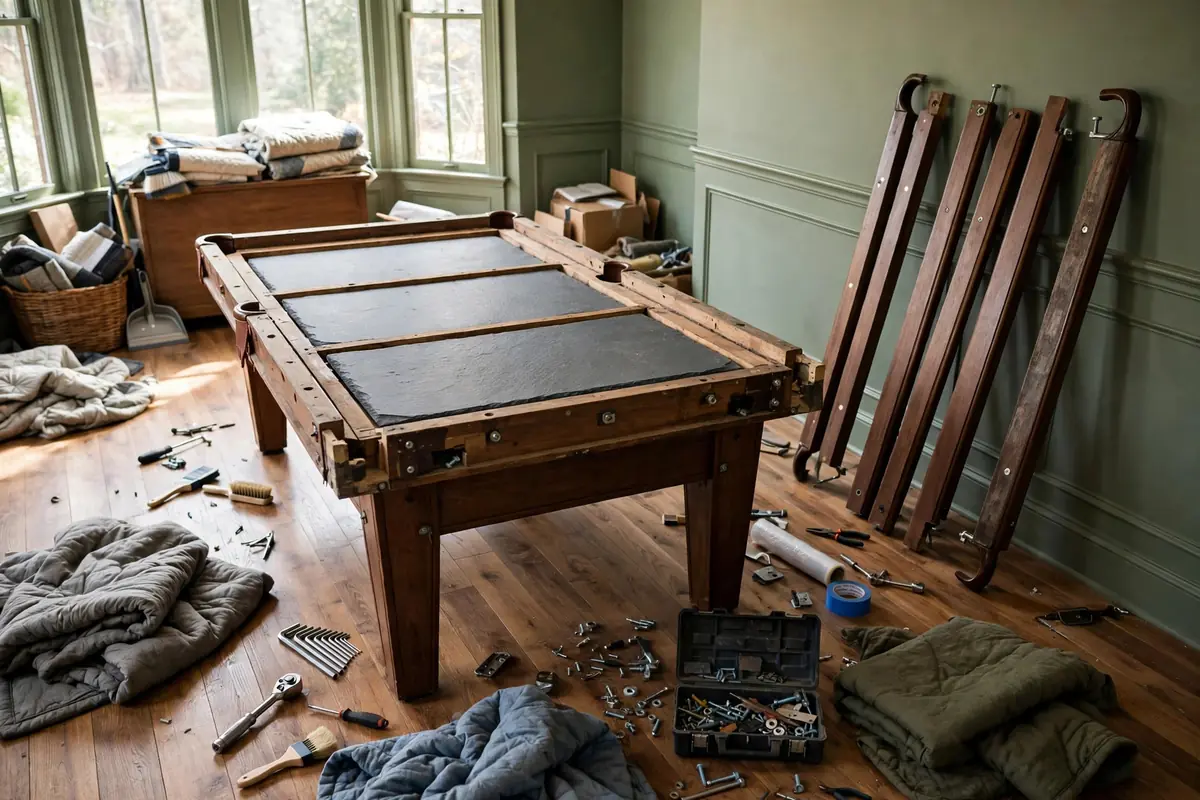
A pool table move raises separate questions for each stage: taking the table apart, moving the slate and frame, and putting it back together at the other end. Ask which stages the mover covers, what equipment is used for the heaviest parts, and what is left to a specialist. If the table needs attention beyond the move itself, agree who provides that before moving day.
-
03
Fine art, antiques, and crating
Art and antiques need protection planned around the piece: padding, corner protection, and, for fragile or unusually shaped items, a crate built to fit. Ask whether crating is offered, what materials are used, how fragile items are recorded, and how the item is secured for the journey. Questions of value are separate from questions of handling — keep them apart, and ask how condition is documented at both ends.
-
04
Safes and appliances
Safes are a weight question first: the weight of the item, the stairs, and the floors it will cross. Ask about weight limits, the equipment planned, and how the path will be protected. Appliances are a size and services question: doorways, turns, and who handles disconnection and reconnection, including water and gas lines. Settle both before moving day, and never assume either is included.
Planning is the specialty
The difference between a smooth specialty move and a damaged heirloom usually comes down to the plan: the item described properly, the path walked, and the questions asked before the lift. Start with the questions on this page, then call and ask them.
Talk through your moveEquipment and methods: what to ask about
Boards and dollies for pianos
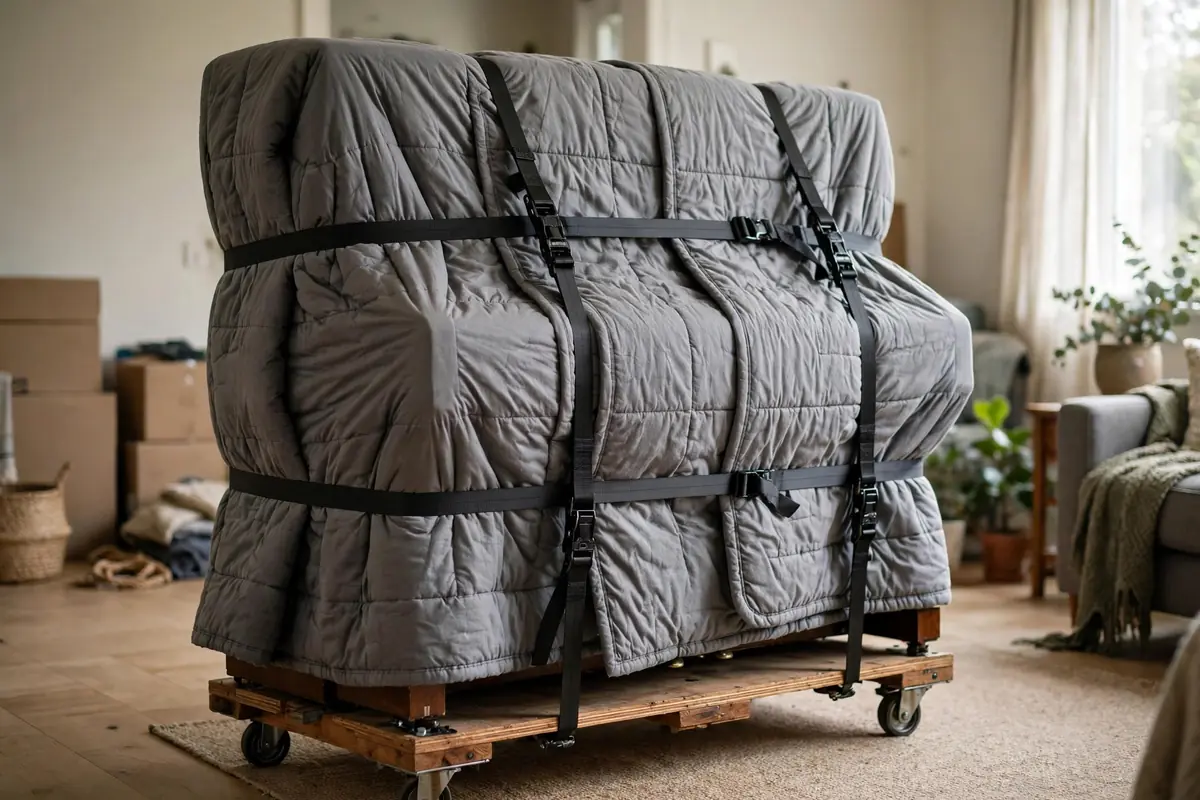
Pianos are moved on boards and dollies built for their shape and weight, with straps holding the instrument steady. Ask what the crew uses, how stairs are handled, and how the legs and case are protected on the path.
Appliance hand truck
A hand truck with a strap holds a tall, heavy item against the frame while it moves, which matters for safes and appliances on stairs and thresholds. Ask whether the crew brings one suited to the weight of your item, and how the path will be protected.
Forearm forklift straps
Straps let two people share an awkward load using their legs rather than their grip, which helps with crates, dressers, and items with no good handhold. Ask whether straps are part of the plan for your item, and how many crew members the lift calls for.
Furniture sliders and moving blankets
Sliders protect floors during final placement, and blankets with stretch wrap protect finishes and corners. Ask what protection is planned for the item and for the floors and doorways on its path, and how condition is noted before the lift.
Specialty moves in Indianapolis
Indianapolis housing shapes specialty moves more than distance does. Older homes can have narrow stairwells, tight turns, and doorways that were not built around a modern safe or a grand piano, while newer homes can have finished basements and tight corners of their own. Winter ice on porches and steps needs attention before a heavy lift, and summer humidity is worth mentioning when the item is wood, art, or an antique — ask what the mover recommends for the conditions on the day. Buildings vary in how they handle elevator and loading access, so confirm what the building needs in advance. Describe the home honestly on the call: the item, the stairs, the turns, and the floors are what decide whether the plan works.
Indianapolis areas with their own guides
- • Meridian-Kessler
- • Downtown Indianapolis
- • Broad Ripple
- • Castleton
Common situations
Specialty help when the deadline is tight
Describe the item, then check availability
Specialty jobs often arrive with a deadline attached: a closing date, a sale, a room that has to be cleared. If yours has moved up, call (317) 961-2712 and describe the item and the path in full. We are open 24 hours, every day, and we will tell you what the schedule allows rather than promise a slot we cannot hold. A walkthrough before the job is worth more than a fast answer: it is what turns a guess into a plan.
How a specialty move runs
Describe the item and the path
Start with the item: what it is, how heavy and awkward it is, where it sits, and what the route to the truck looks like — stairs, turns, doorways, and floors. Ask for a walkthrough where the job calls for one, and ask how the quote is built and what it includes.
Agree the plan before the day
Agree the date, the crew size, and the equipment, and clear the path so the crew can work it as planned. If the building has elevator or loading rules, confirm them in advance and share them on the call. Settle any separate specialist work — anything beyond the move itself — before moving day.
Protection, lift, and placement
On the day, the item is protected, the path is protected, and the lift follows the plan agreed in advance. Ask how condition is recorded before and after, walk the item with the crew at the other end, and raise anything you notice while everyone is still there.
How specialty moving quotes are put together
Specialty quotes vary more than standard moving quotes because the work varies more: the weight and shape of the item, the stairs and turns, the crew size, and any crating or special handling all shape the figure. That is why a walkthrough matters — a quote built from a description of the item and the path reflects the real job, while a quote given blind can only guess. Ask how the quote is built, what is included, what is charged separately, and what would change it, and ask for the terms in writing. If a quote seems low for a heavy or awkward item, ask what has been left out.
Item weight and shape
Weight sets the crew size and the equipment; an unbalanced shape adds handling time. Describe both honestly — a guess about weight helps no one, and the plan is only as good as the description.
Stairs, turns, and distance
Every flight of stairs and every tight turn adds time and hands, and a long carry from door to truck adds more. Walk the route in your description so the quote matches the work.
Crating and special handling
Crating, extra padding, and special handling are usually quoted as part of the plan for the item. Ask what is included, what materials are used, and how fragile items are recorded, so the quote and the protection match.
What customers say
Specialty moving questions
How is specialty item moving priced in Indianapolis?
It is generally quoted from a walkthrough or a detailed description, shaped by the weight and shape of the item, the stairs and turns, the crew size, and any crating or special handling. Ask how the quote is built, what is included, what is charged separately, and what would change it, and ask for the terms in writing before you agree.
What should I ask before booking a specialty mover in Indianapolis?
Ask what equipment will be used, how many crew members the item calls for, how the path and the item will be protected, and how condition is recorded before and after. Ask whether the mover holds Indiana operating authority — a Certificate of Public Convenience and Necessity — from the Indiana Department of Revenue for moves within Indiana, and check FMCSA SAFER records for any move crossing a state line. Ask what liability arrangements apply, and settle anything beyond the move itself with the right specialist before moving day.
What should I ask about moving a piano in Indianapolis?
Ask what boards, dollies, and straps will be used, how stairs and turns will be handled, how the finish and the floors will be protected, and how condition is recorded. Describe whether the piano is upright or grand, where it sits, and what the route looks like. Anything beyond moving the instrument is a separate specialist question — ask who handles it, and agree it before the move.
What should I ask about moving a safe or a large appliance?
For a safe, ask about weight limits, the equipment planned, the stairs, and how the floors and doorways will be protected. For an appliance, ask about doorways and turns, and who handles disconnection and reconnection, including water and gas lines. Describe the item and the path in full, and do not assume either question is settled until it is answered.
Related services
Packing Services
Crating and careful packing sit close to specialty work. Talk through what needs a crate, what needs padding, and how fragile items are recorded.
Storage Services
When an item has to wait between homes, storage becomes part of the plan. Read how storage fits around a move, and what to ask before anything is stored.
Talk through your specialty move
Tell us what the item is, where it sits, and where it needs to go, and ask the questions on this page. Call (317) 961-2712 — we are open 24 hours, every day.